Chromotherapy · Aura · Spectrum
Let There Be Light
Every color is a frequency, and your body reads each one differently. Color light therapy bathes your energy field in precisely chosen bands of the spectrum — calming what is overactive, waking what has gone quiet, and reminding your system of rhythms it already knows.
Red
Vitality and circulation. Red is raw life force — it grounds, warms, and mobilizes physical energy when the body feels depleted.
Orange
Creativity and emotional flow. Orange loosens what's stuck — joy, appetite, playfulness, and the courage to feel.
Yellow
Confidence and mental clarity. Yellow feeds the solar plexus — willpower, focus, digestion of both food and ideas.
Green
Balance and renewal. Green is the heart's color — harmony, rest, and the neutral point where the whole spectrum comes back to center.
Blue
Calm and communication. Blue cools inflammation of body and mind, softens the nervous system, and opens the voice.
Indigo
Intuition and deep rest. Indigo draws awareness inward — the color of the third eye, twilight, and the descent into sleep.
Violet
Transformation and spirit. Violet is the highest visible frequency — connection, purification, and the crown's color of transcendence.
The Hidden Color
Magenta — the color the rainbow hides
Look at a rainbow and you'll never find magenta. It isn't in the spectrum at all — it only exists where the two ends of the spectrum meet: when the deepest violet and the purest red arrive together, your mind creates a color that no single wavelength can make. In color therapy, magenta is the integrator — the bridge between the most physical frequency (red) and the most spiritual one (violet). It's the color of universal love, letting go, and holding both ends of yourself at once.
Rhythm
Light is how your body tells time
Your circadian rhythm is written in light. Cool, blue-rich light tells your biology it's midday — alertness, energy, action. Warm amber and red light tell it the sun is setting — melatonin, repair, sleep. Modern life scrambles those signals, and the body loses the beat. Targeted color sessions can re-tune it: energizing frequencies to lift you out of fog, and warm descending frequencies that recalibrate the rhythm for deep, reliable sleep.
Think of a thirsty plant. You don't teach it to absorb water — you simply offer water, and the plant draws in exactly what it needs. Your aura works the same way with light. When a color your field is missing is offered, your system drinks it in.
A Century of Light
Light healing is older than you think
Sun temples, color-glass sanatoriums, arc lamps, chromotherapy cabinets — humans have pointed light at the body for healing across every era. And it hasn't only been folk practice: light therapy holds one of medicine's highest honors.
A Nobel Prize for healing with light
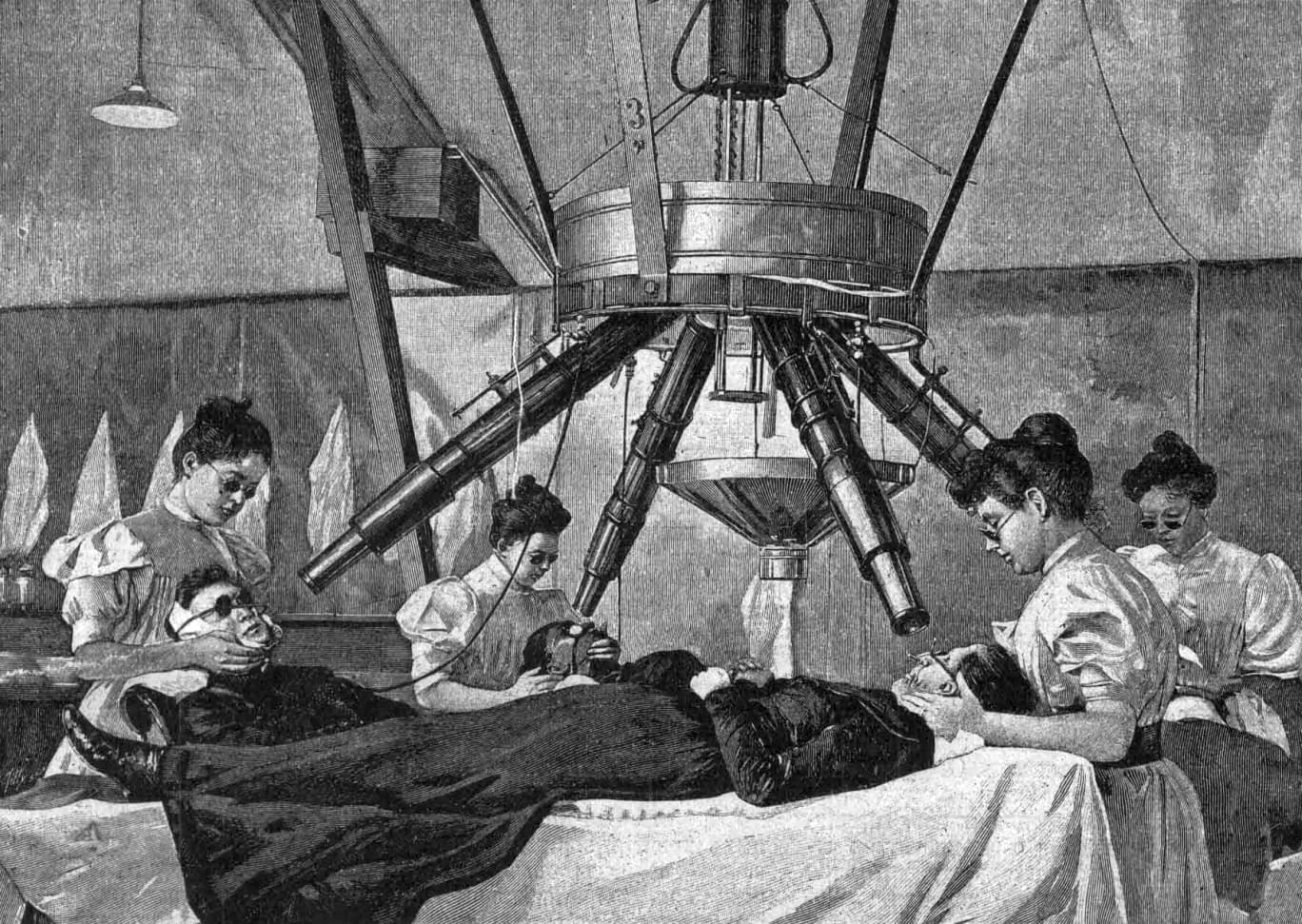
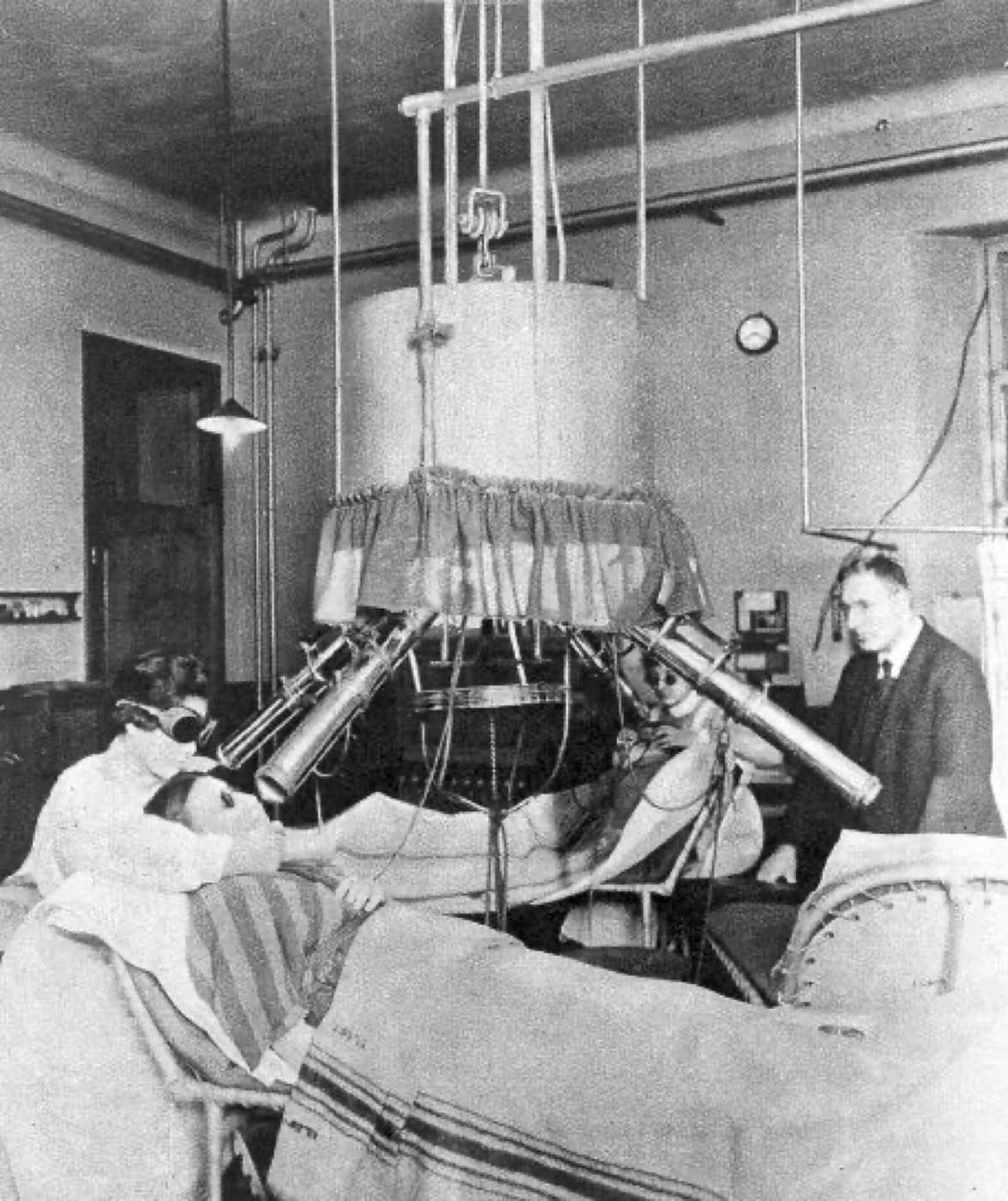
In 1903, the Danish physician Niels Ryberg Finsen received the Nobel Prize in Medicine for treating lupus vulgaris — a disfiguring skin tuberculosis then considered untreatable — with concentrated light radiation from his carbon-arc "Finsen lamp." Patients travelled from across Europe to his Light Institute in Copenhagen, where rows of patients received precisely focused light through lenses held by attending nurses. Finsen light institutes soon opened in dozens of countries, and phototherapy entered modern medicine for good.
Did you know
There was a light machine on the Titanic
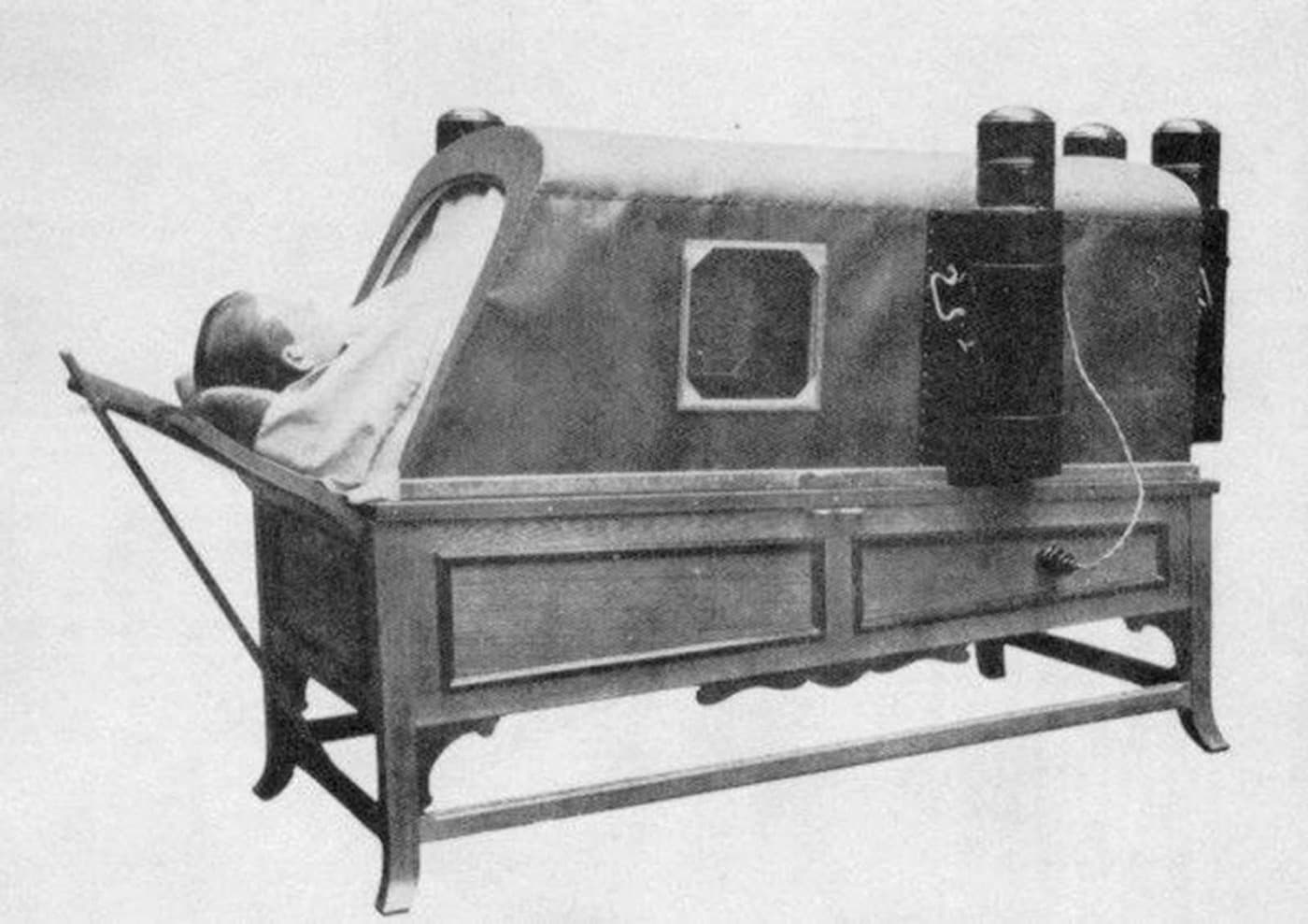
Yes — the Titanic carried a light machine. Her first-class Turkish bath complex on F-Deck included an electric light bath: a cabinet lined with incandescent bulbs that bathed the body in light and heat. The device was popularized by Dr. John Harvey Kellogg of the Battle Creek Sanitarium, who began building them in the 1890s and showed them to the world at international expositions — after which they spread to Europe's grand spas, hotels, and luxury liners. In the 1900s, light was one of medicine's most fashionable frontiers. Within a few decades, newer drugs and machines eclipsed it, and the light bath quietly vanished from memory — which is why almost nobody knows the world's most famous ship carried one.
Many Lamps, One Principle
There are many ways to receive light
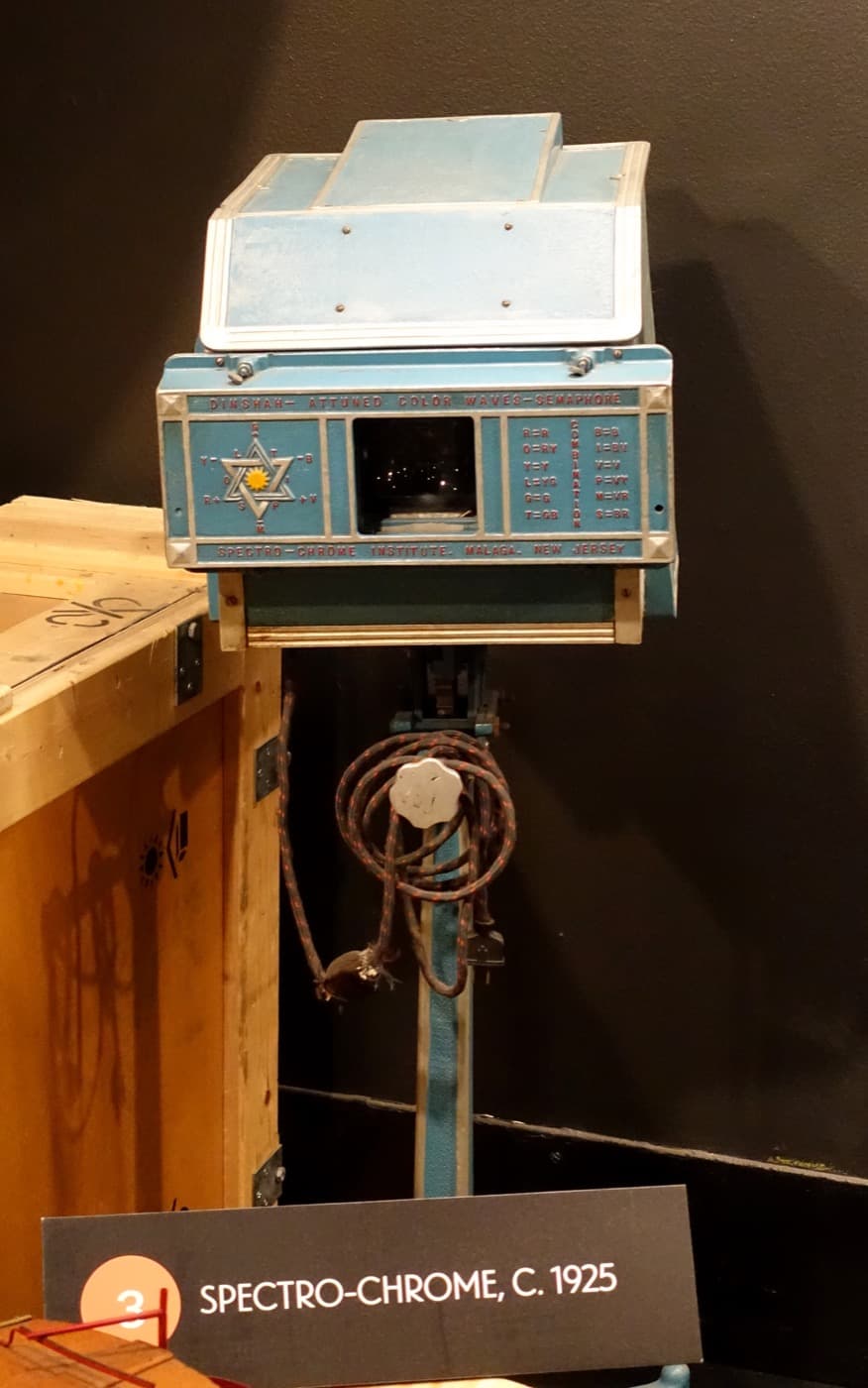
The Finsen lamp was only the beginning. Dr. John Harvey Kellogg's incandescent electric light bath cabinets spread from Battle Creek to the world's grand hotels and ocean liners; Dr. Auguste Rollier ran entire Alpine clinics on graduated sunlight; Dinshah Ghadiali's Spectro-Chrome projected twelve attuned colors onto the body; colored-glass solariums, chakra crystal beds, and modern red-light panels each carried the same thread forward. A hundred forms over a hundred years — and the results never came from any single machine. They come from the application: the correct frequency, at the correct time, on the correct part of the body. At Mirakel Studio we use a very specific light technology we don't disclose — you'll see for yourself when you experience it.
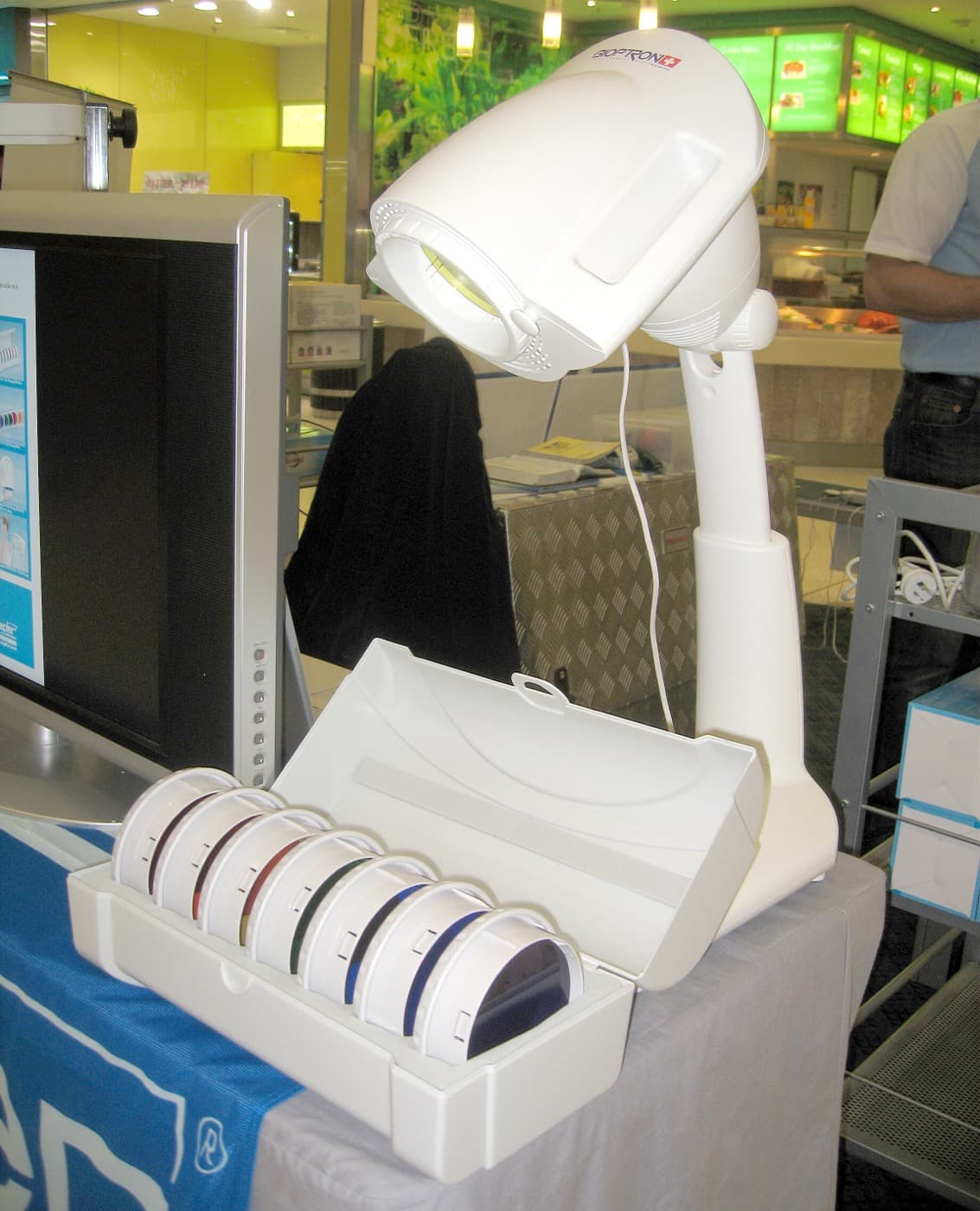
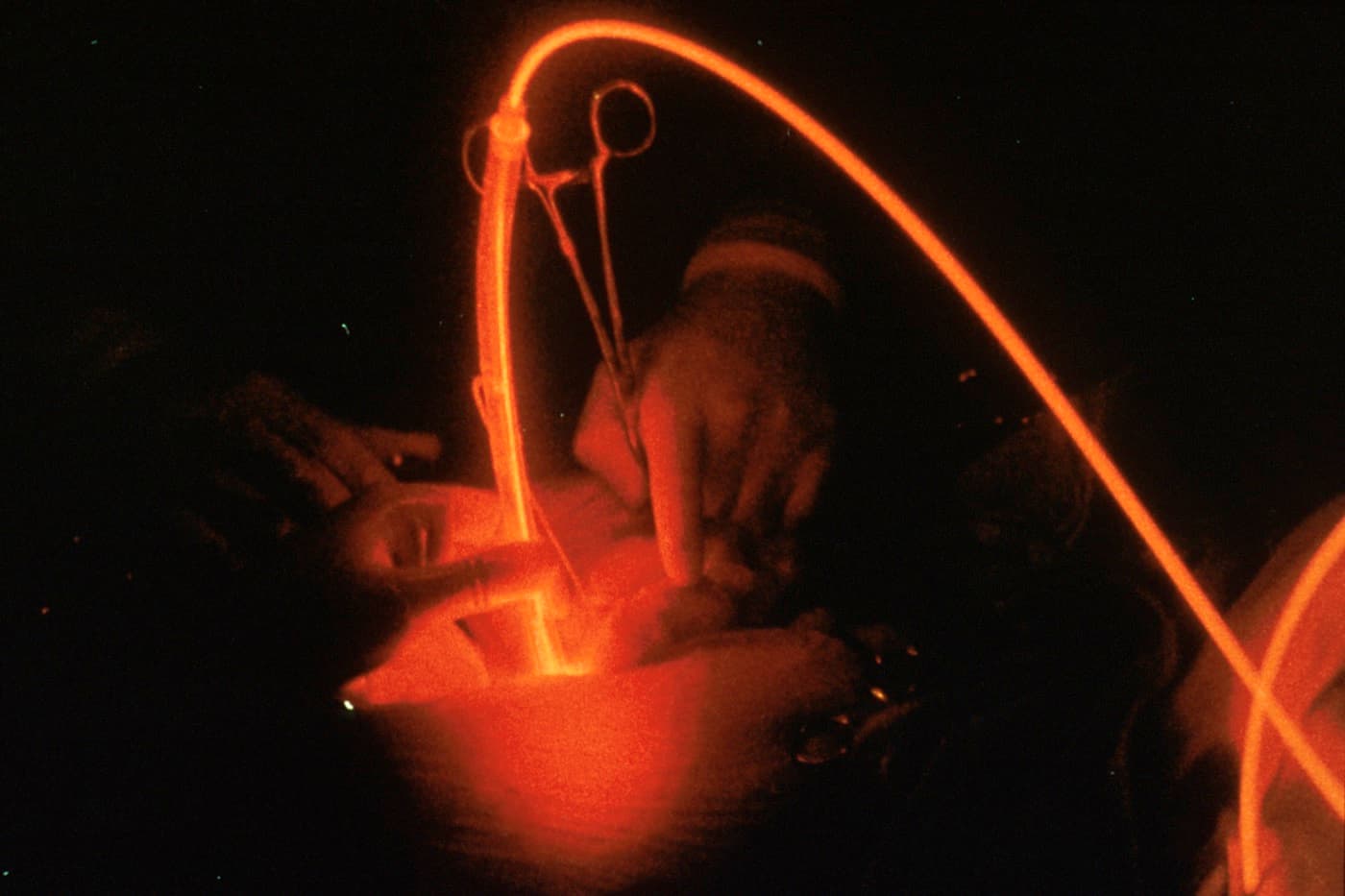
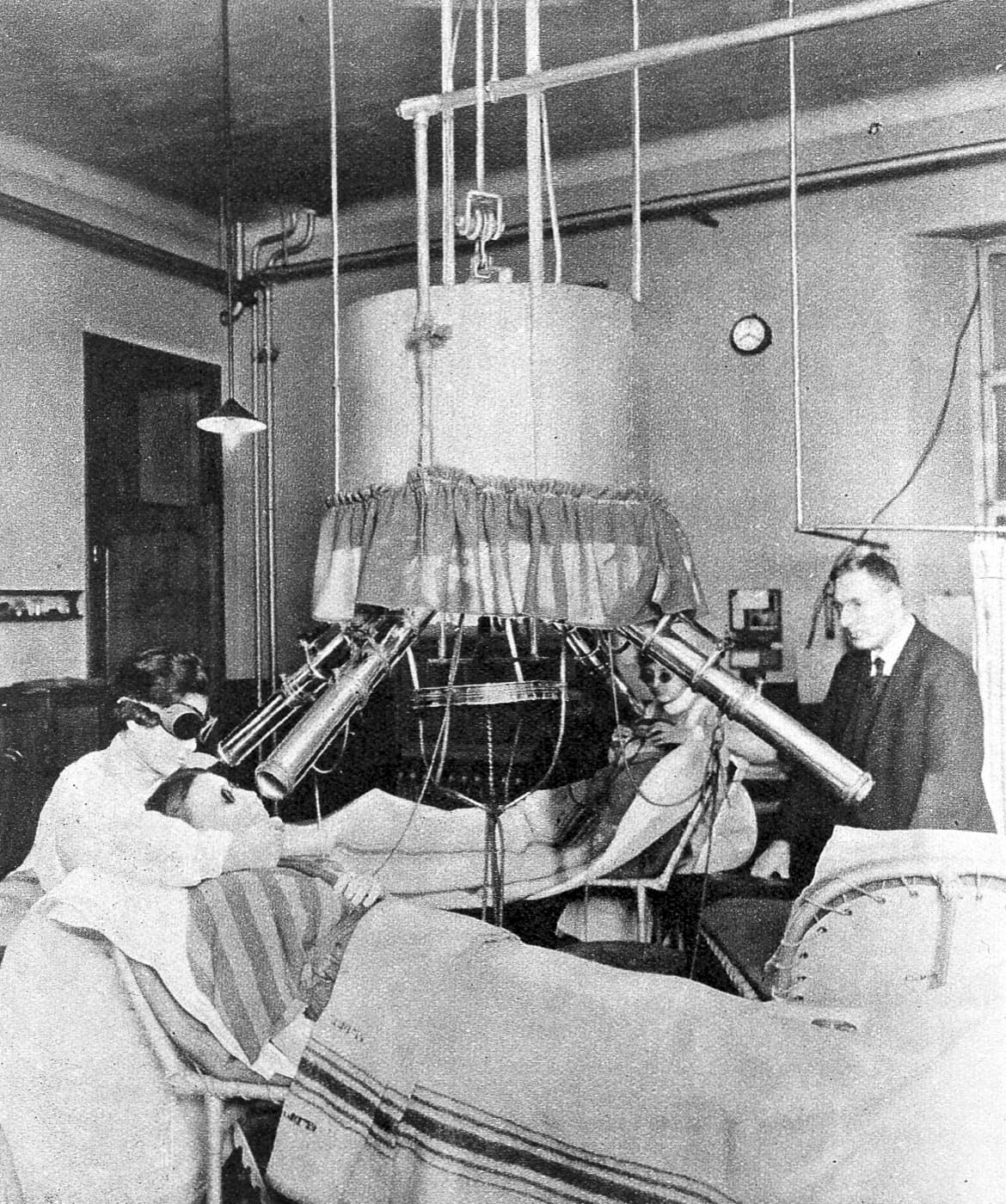
Historical photographs public domain; additional images via Wikimedia Commons (CC0 / CC BY / CC BY-SA — Wellcome Collection and contributors).
Sessions
One hour. Tuned to you. Every time.
Sessions are one hour and customized to each client — unique per session, never a preset program. Your first session begins with a custom intake protocol that assesses the frequencies you need; from there a protocol is built for your remaining sessions. For momentum, we recommend two to three sessions per week for two to three weeks.
How to prepare
- ✦Arrive showered and clean, ready to drop into a relaxed, meditative state.
- ✦Go easy on caffeine and stimulants that day — they can leave you restless on the table.
- ✦Come with clear intentions for what you're seeking in your life in this moment.
- ✦Then simply relax. As you settle into theta-state relaxation, most people nod off and 'take a nap' — that's exactly right.
Your first session
Every first session begins with a custom intake protocol — an assessment of the customized frequencies you need. From that assessment, a protocol is built and established for your remaining sessions, and each session stays unique to where you are that day.
Recommended rhythm: two to three sessions per week, for two to three weeks.
The Let There Be Light Letters
Seven short letters across two weeks: the Nobel Prize won with light, the color the rainbow hides, an experiment you can run with a glass of water, and why your body keeps time by the spectrum. Free, beautiful, and gone too soon — like sunset.
The Color Quiz
Which color would your aura benefit from most?
Six simple questions. We calculate your colors on our end — book a consultation or a session to hear your results.
When you visualize each of these scenes in your mind, which one do you feel most drawn to?
The Voice Color Scan
Or let your voice choose
Prefer not to answer questions? Your voice already knows.
Press record and say each of the twelve colors below, slowly and in your natural voice. Your voice carries its own frequency signature — we analyze the recording on our end to find the color your field is asking for.
See the light for yourself
One hour on the table says more than any page can.